Zhong Kui, the Demon Queller: Black Myth: Zhong Kui Is Already the Most Exciting Game on the Horizon
Context: Game Science revealed 15 minutes of Black Myth: Zhong Kui gameplay on August 20, 2026, the two-year anniversary of Wukong's launch; the trailer hit 3 million Bilibili views in three hours. Visuals: Unreal Engine 5 graphics praised as nearly indistinguishable from reality; overseas creators couldn't believe it was real-time rendered gameplay rather than CGI. Combat: A fresh system built around Zhong Kui's sword and Daoist magic — new parry mechanics, fire/lightning/ice weapon enchantments, riposte counters, and five summonable ghost familiars — a clear step beyond Wukong's staff-focused combat. Tone & lore: Shifts from Wukong's solemn epic style to street-level humor, built around Zhong Kui's signature artifacts (sword, folding fan, gourd); the tiger-riding finale nods to Ming dynasty paintings and may tease a playable ultimate form. Western appeal: A mythology never before adapted into a AAA game; international players praised the pivot from Buddhist to Daoist folklore and are already researching the legend on their own. Weakness: None of substance — only the long wait; the game is in early development with a rumored 2029 window and unproven console optimization, which reflects the studio's quality-first, no-rush philosophy. Verdict: Following Wukong's 20-million-copy first month, Game Science looks set to turn Chinese mythology from a one-off hit into a full universe — an easy pick for action fans wanting something genuinely new.
From Wukong to Zhong Kui: the next chapter of China's AAA moment
On August 20, 2026 — the two-year anniversary of Black Myth: Wukong's launch — Game Science dropped a 15-minute gameplay trailer for its next project: Black Myth: Zhong Kui. Within ten minutes, the reveal topped trending charts in China, and the video racked up over three million views on Bilibili in just three hours . The studio that proved Chinese mythology could sell 20 million copies in a month is now aiming to do it again — this time with a figure most Western players have never heard of. That unfamiliarity is precisely the point.
Reason one: graphics that blur the line between game and reality
Nearly every reaction, East and West, starts in the same place — the visuals. Built on Unreal Engine 5, the character models, environmental detail, water simulation, and lighting left players insisting "there's almost no difference from reality," with some joking that if you removed the UI, they'd believe it was footage of the real world . Overseas creators were floored: one YouTuber reportedly exclaimed mid-viewing that he couldn't believe this was real-time rendered gameplay rather than a CGI movie . International commenters called the visuals "so beautiful it's speechless, almost indistinguishable from reality," and one even claimed the tiger model looked more convincing than an actual tiger . Media outlet Haybowena singled out the grounded, lived-in Chinese countryside atmosphere — overcast skies, terrain that tells a story — paired with fluid, meticulously animated combat .
Reason two: a combat system that finally moves past the staff
If Wukong lived and died by its staff combos, Zhong Kui answers with the sword and the dao. The demo showcased a brand-new parry system alongside the precise dodges carried over from the first game, plus elemental weapon enchantments (fire, lightning, ice), riposte counters, and the ability to summon five ghost familiars into battle — altogether a far deeper strategic toolkit . Players described Zhong Kui's swordplay as heavy and decisive, with clean pacing on swings and counter-parries — "no flashy, empty moves" . Forests that catch fire mid-fight, weapon enchantments, afterimage transformations, ghost assists, and a possession mechanic had jaded international streamers ready to pre-order on the spot . Director Feng Ji has said the motion-capture budget alone jumped a tier for this game — and it shows in every swing.
Reason three: a folklore hook the West hasn't been overfed
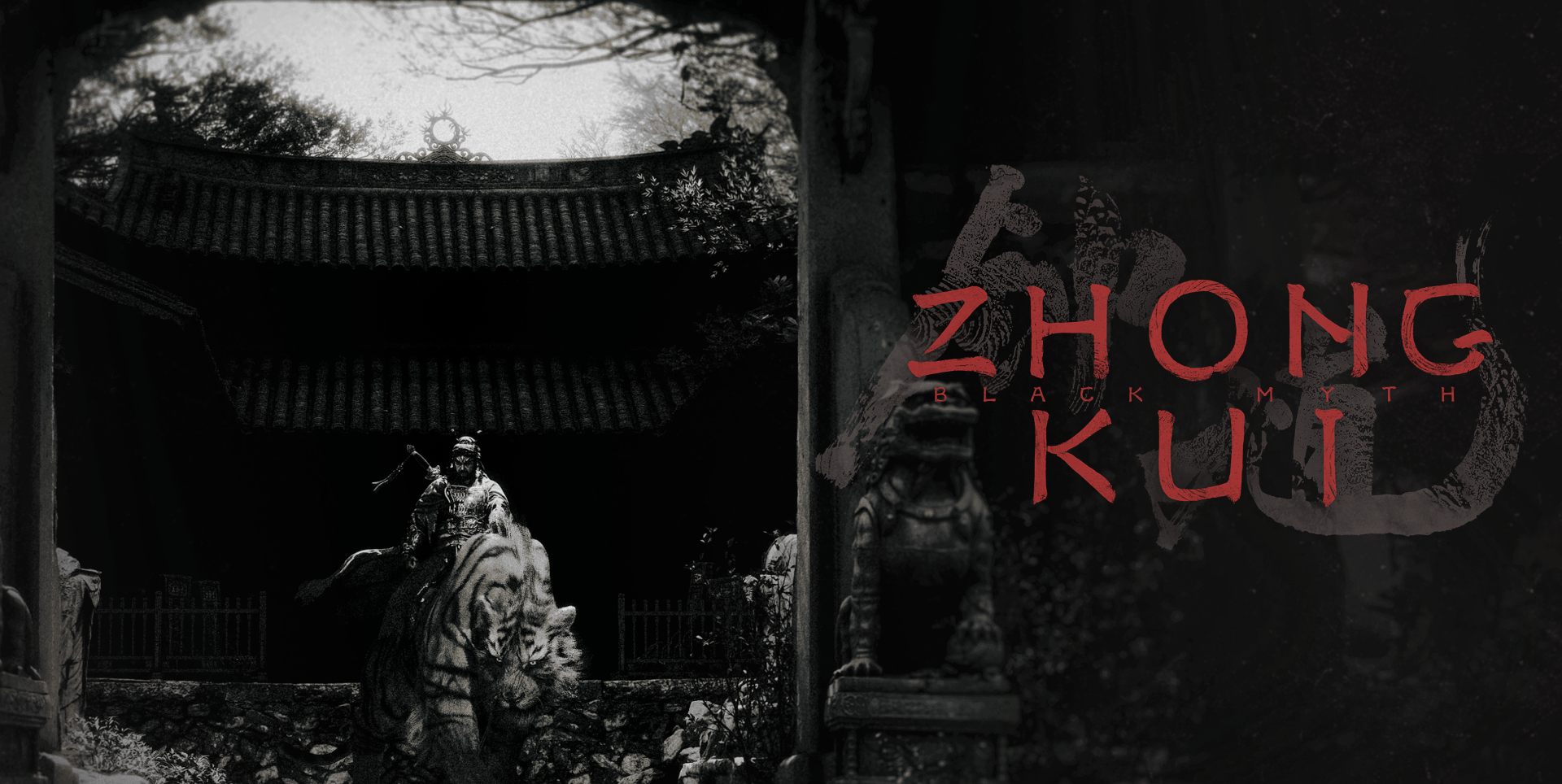
Journey to the West has been adapted to death; Zhong Kui, China's demon-quelling judge of the underworld, has never anchored a AAA game. Even better, the tone reportedly shifts from Wukong's solemn epic gravitas toward street-level humor and everyday charm, with combat built around Zhong Kui's signature artifacts — his sword, folding fan, and gourd . The trailer's closing image — Zhong Kui riding a tiger, a direct homage to Ming dynasty paintings — has fans theorizing it's a tease for a playable ultimate form . The overseas response says it all: a British player called the pivot from Buddhist Wukong to Daoist Zhong Kui "a fascinating choice," a Mexican player said it's "the best game for learning Chinese mythology," and a German viewer put it bluntly — "from the Victorious Fighting Buddha to the ghost-hunting king, nothing is cooler" . Thousands of Western players are already Googling Zhong Kui folklore on their own. That's cultural export working exactly as intended.
Flaws? It's not out yet
If there's a complaint, it's a single word: wait. The studio confirms the game is still in early development, with no release date in sight — player estimates point to a 2029 window — and console optimization remains unproven . But that's less a flaw than a philosophy: Game Science says the game ships only when its quality wins over its own jaded internal team — and "if that's the standard, it can't be fast" . Slow is their only sin.
Verdict
Wukong sold over 20 million copies in its first month and proved Chinese myth is commercial dynamite . Fifteen minutes of Zhong Kui footage suggests Game Science isn't chasing a one-hit wonder — it's building a universe. The sword is drawn. For action fans hungry for something genuinely new under the sun — a mythology untouched by a decade of recycled fantasy — this one is worth the wait.